Are Skin Tags Something To Be Concerned Regarding?
10 Things To Understand About Skin Tags Associated Dermatology
Nonetheless, there are steps you can require to remain comfy. Nevertheless, an on-line device must never ever replace professional clinical suggestions-- especially if symptoms are altering or concerning. If anything appears significant or potentially life-threatening, look for clinical interest quickly.
Skin Tags Do Not Grow Back
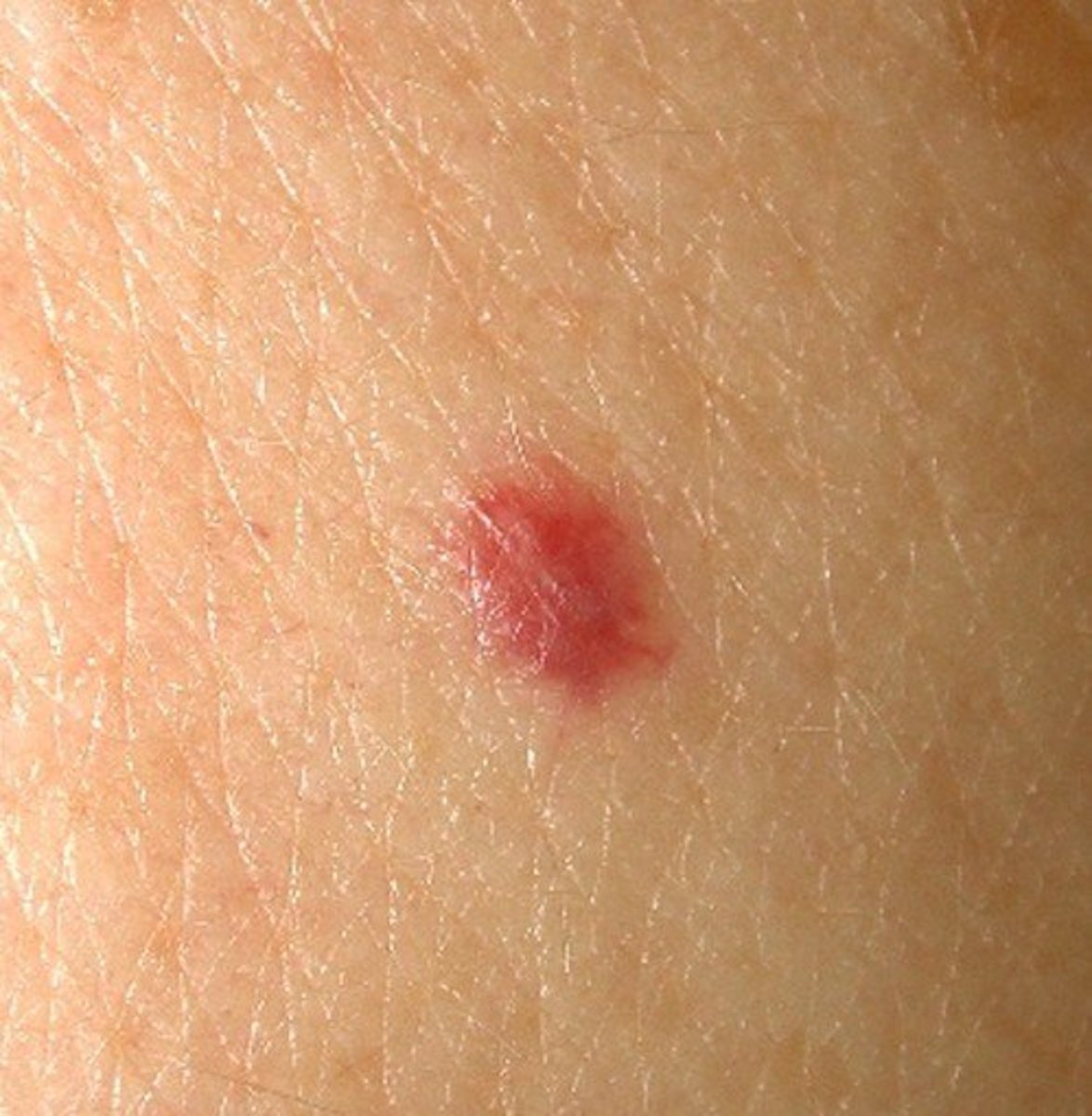
Moles can be either flat or increased-- but they don't usually transform unless they're dangerous. If an area adjustments from flat to raised, that's an indication. Normal moles are either brown or tan-- not multi-colored.
Exposure to the sunlight seems to be the major source of lentigines.
If you're asking yourself how to remove skin tags yourself, you're not the only one.
In many cases, surgical excision might be needed, and in others, the skin tag may be sent for analysis.
Specialist removal by a certified expert is the most safe alternative.
These developments are made up of skin cells, collagen fibers, afferent neuron and fat and blood vessels. They connect to the skin with a thin, fleshy cyndrical tube called a stalk. Skin tags are safe, non-cancerous growths that can appear anywhere on the body. They often turn up in places like the underarms, neck, groin and various other places where the skin naturally folds. Although we suggest eliminating any one of these spots, excrescences specifically require to be removed promptly (prior to you pass the infection along to someone else).
When To Look For Expert Guidance
Normally, skin tags are painless, but they can become aggravated or capture on apparel, triggering minor discomfort. Skin doctors can eliminate them if they come to be annoying. Many natural home remedy and non-prescription therapies claim to remove skin tags. These array from applying apple cider vinegar or garlic to the tag, to linking it off with dental floss.
What to Expect During RemovalSkin tag removal at MDCS Dermatology is normally done in‑office with topical or neighborhood anesthesia for comfort. The treatment fasts-- typically just mins-- and most people return to normal tasks shortly later. Light inflammation or tenderness may happen but resolves quickly with correct care.